August 25, 2026
The history of bed bugs is as old as human civilization, with these pests documented as far back as ancient Egypt. Bed bugs have experienced a widespread resurgence due to increased global travel and changing pesticide regulations. As people travel more frequently, these parasitic insects hitchhike in luggage and spread to new residential locations across urban and suburban environments.
Understanding Nocturnal Feeding Behaviors
Bed bugs are small, wingless insects that feed exclusively on the blood of humans and warm-blooded animals. They primarily operate at night, attracted to carbon dioxide exhaled by sleeping hosts. The life cycle of a bed bug includes egg, nymph, and adult stages, requiring a blood meal between each phase. This physiological dependency makes humans their primary target in domestic settings. Understanding their biology and nocturnal habits is crucial for detecting early infestations before populations expand into neighboring rooms.
Managing Complex Bug Infestations
Bed bugs pose a unique challenge in structural pest management due to their resilience, rapid reproduction, and elusive hiding habits. According to a University of Florida and NPMA survey, over 82% of professionals in the pest control industry have treated bed bugs in the last year, highlighting the scale of the current outbreak. Furthermore, modern bed bug populations have developed strong chemical resistance to standard over-the-counter insecticides, complicating eradication efforts for untrained homeowners. Consequently, hiring a licensed pest control company is necessary to eliminate resistant populations completely.
Evaluating Health Risks and Distress
While bed bugs are not known to transmit bloodborne pathogens, their bites cause a range of physical and psychological impacts. The bites result in itchy welts and skin discomfort, leading to severe sleep disruption and chronic anxiety. In severe cases, excessive scratching results in secondary bacterial skin infections. The stress of managing a persistent infestation also affects mental health, triggering insomnia. Early identification is essential to minimizing these health impacts on family members.
Inspecting Live Bug Clusters
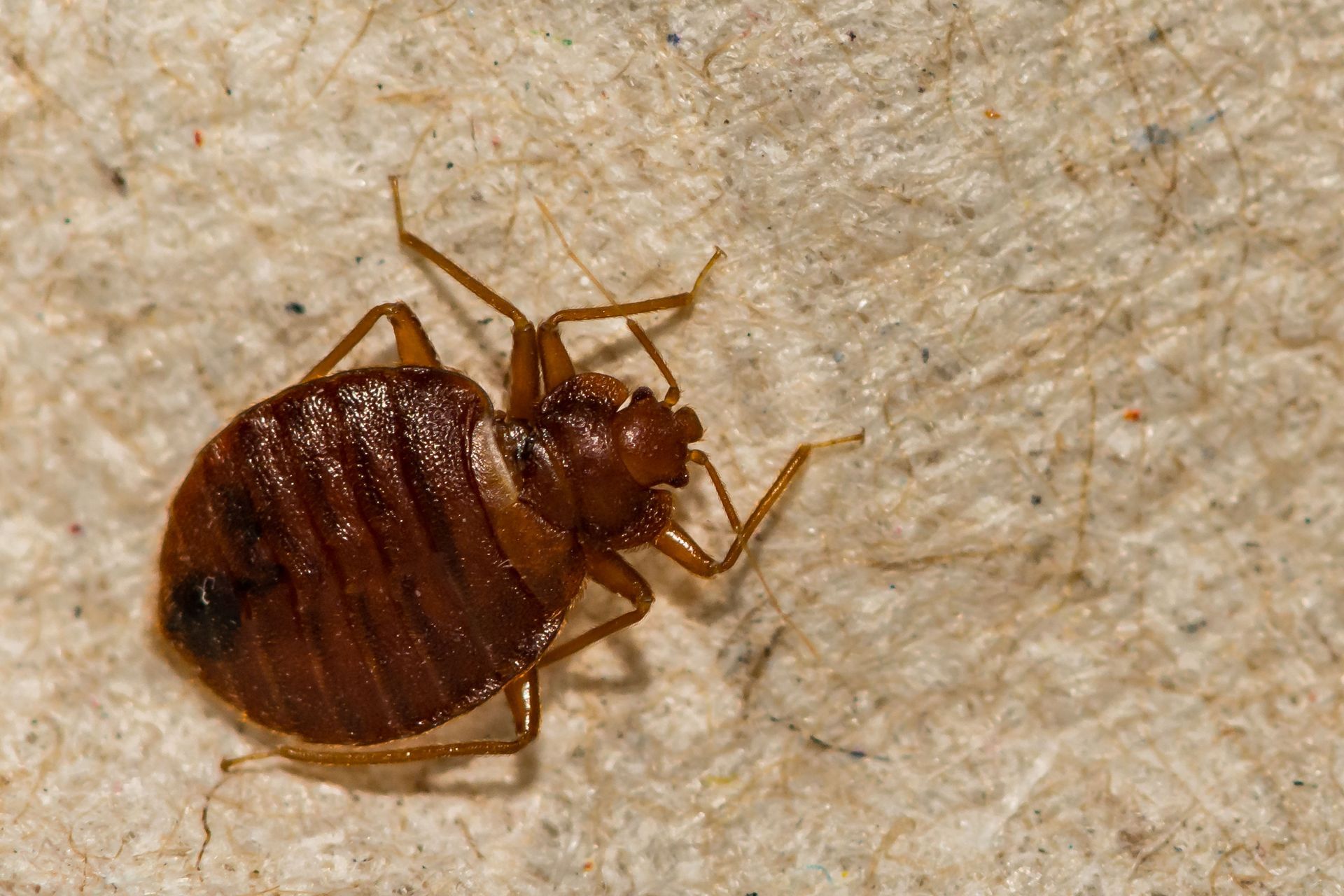
Seeing live bugs inside your home is definitive proof of an active infestation that requires immediate attention. Bed bugs are small, oval, flattened insects that appear light brown, turning dark reddish-brown after taking a blood meal. During daylight hours, these pests hide within mattress seams, box spring joints, and wooden headboards. Inspecting these hidden seams thoroughly reveals active clusters. While seeing live insects confirms the problem, secondary physical evidence usually alerts homeowners first.
Identifying Linear Bite Patterns
Bed bug bites are a common early indicator of an infestation, appearing as small, raised, itchy welts on exposed skin. While often confused with mosquito or flea bites, bed bug feeding marks typically appear in clustered or linear patterns along arms and legs. Individual skin reactions vary greatly; some people develop intense swelling while others show no visible marks. Discovering unexplained bites should prompt an immediate inspection of all sleeping areas.
Spotting Rusty Blood Stains
After feeding, bed bugs often leak small amounts of blood onto sheets and pillowcases. These stains appear as tiny, dark, or rusty-colored spots on bed linens and mattress covers. The presence of these telltale blood spots indicates that insects are actively feeding nearby during the night. Homeowners should inspect their bedding regularly when changing linens. Discovering these stains early allows you to take swift action before the population spreads.
Detecting Dark Fecal Spotting
Fecal deposits serve as another clear physical sign, appearing as tiny, dark spots near insect hiding places. These fecal marks consist of digested blood excreted by the insects after returning to their harborages. Commonly found along mattress borders, bed frames, and baseboards, these dark spots smear when wiped with a damp cloth. Fecal spotting usually accumulates near nesting sites, offering clear physical evidence of an active colony.
Finding Cast Skins and Eggs
Bed bugs reproduce rapidly, laying tiny, pearl-white eggs inside dark structural crevices. Though individual eggs are difficult to see, finding clusters confirms an expanding infestation. Additionally, growing nymphs shed their translucent exoskeletons five times before reaching maturity, leaving cast skins near their harborages. Accumulated shed skins and egg casings signal a growing population. Partnering with a certified pest control company ensures these hidden eggs and nymphs are thoroughly eliminated.
Recognizing Unusual Musty Odors
A less obvious sign of a large infestation is a distinct, unpleasant musty odor within the bedroom. This scent is often compared to moldy shoes or wet towels, becoming particularly strong in heavy infestations. The odor stems from alarm pheromones released by the insects, amplified when large numbers congregate in enclosed spaces. A persistent, unexplained smell in a bedroom warrants an immediate visual inspection.
Checking Furniture and Bedding Seams
Bed bugs hide inside furniture and bedding, making these items the primary target during initial inspections. They conceal themselves deep within mattress tufts, box spring corners, and upholstered chair cushions during daylight hours. Wooden bed frames and headboards are prime harborages due to their direct proximity to sleeping hosts. Examining these areas regularly reveals hidden insects, eggs, and fecal marks. Installing protective, bug-proof mattress encasements prevents insects from nesting inside core bedding materials.
Sealing Structural Cracks and Crevices
Beyond bedroom furniture, bed bugs seek shelter inside narrow cracks and crevices along walls and flooring. These hidden spaces provide complete protection from daily human activity, allowing populations to expand unnoticed. Homeowners should inspect behind loose baseboards, around electrical outlet plates, and under peeling wallpaper. Sealing structural gaps with silicone caulk restricts insect movement and eliminates preferred harborage sites.
Preventing Travel-Related Hitchhikers
Luggage and personal clothing are the primary vectors through which bed bugs move between properties. These insects crawl into suitcases left on hotel floors, hitchhiking back to your home after vacations or business trips. Inspecting luggage thoroughly after returning from trips prevents unwanted pests from entering your living spaces. Unpacking directly into the washing machine and laundering clothes on high heat kills hidden hitchhikers.
Hiring Professional Exterminator Services
Engaging a licensed pest control company for a thorough home inspection is the most reliable way to confirm an infestation. Experienced exterminators possess the specialized equipment required to evaluate complex residential structures thoroughly. Their expertise enables them to identify all life stages of bed bugs, even inside inaccessible wall voids. Professionals design customized treatment plans using thermal heat, steam, and targeted materials to achieve complete eradication.
Selecting Effective Eradication Methods
Choosing the right remediation strategy depends on the severity of the infestation and property layout. While DIY inspection tools offer initial insights, widespread infestations require commercial-grade intervention to succeed completely. Hiring a reputable pest control company provides access to advanced thermal heat treatments and specialized equipment that over-the-counter products cannot match. Professional exterminators eliminate both adult bugs and hidden eggs in a single comprehensive application.
Inspecting Purchased Second-Hand Furniture
Second-hand furniture serves as a primary vector for bringing pests into clean homes. Thoroughly inspecting used couches, bed frames, and wooden tables before bringing them indoors prevents accidental contamination. Examining cushion seams, screw holes, and underside dust covers reveals hidden insects or fecal spotting. Hiring a professional pest control company to inspect second-hand items offers an extra layer of protection for your home.
Coordinating Professional Integrated Treatments
Collaborating with an experienced pest control company is essential for preventing and eliminating tough infestations. Professional exterminators provide customized guidance on structural preparation, targeted heat treatments, and long-term monitoring. Scheduling routine property inspections ensures lingering pests are detected before populations multiply. Combining proactive home maintenance with professional expertise builds a strong defense against persistent household bugs. To eliminate pests and protect your home, contact the experienced team at Timberline Lawn & Pest.